
Setting Up Your First Envelopes
Step-by-step walkthrough for creating categories, deciding on amounts, and making your first envelope system actually work.
Read ArticleReal numbers for creating a savings envelope that grows. How to start small and build a three-month buffer without feeling deprived.

Author
CashFlow Envelope Editorial Team
Written by the CashFlow Envelope Editorial Team, focused on practical, honest guidance for managing money with tangible tools.
An emergency fund isn't some abstract goal you work toward for years. It's insurance. It's the difference between handling a car repair without panic or going into debt because your transmission gave out. Most people know they should have one, but starting feels impossible when you're already stretching to cover rent and groceries.
Here's what we're going to tackle: How to build an actual emergency fund using the envelope system, starting with real numbers that fit your real salary. Not $500 a month if you make $2,400. Not "save 50% of your income." We're talking about building something meaningful, something that actually works.
Most people try to build an emergency fund by "saving what's left over" at the end of the month. If there's anything left over, that is. It never works. You know why? Because your money doesn't prioritize itself. It gets used for the things you see, the bills you remember, the wants that feel urgent.
The envelope system flips this. You decide what goes into savings first. Not as a goal, but as a real category with real money, just like your rent or groceries. When you set up an "Emergency Fund" envelope and put money into it consistently, it becomes a habit. You're not waiting for surplus—you're creating it.
Most people think they need to save $1,000 or $5,000 before it counts. But starting small is actually smarter. A $50 emergency fund is better than $0. A $200 fund stops small disasters from becoming big ones.

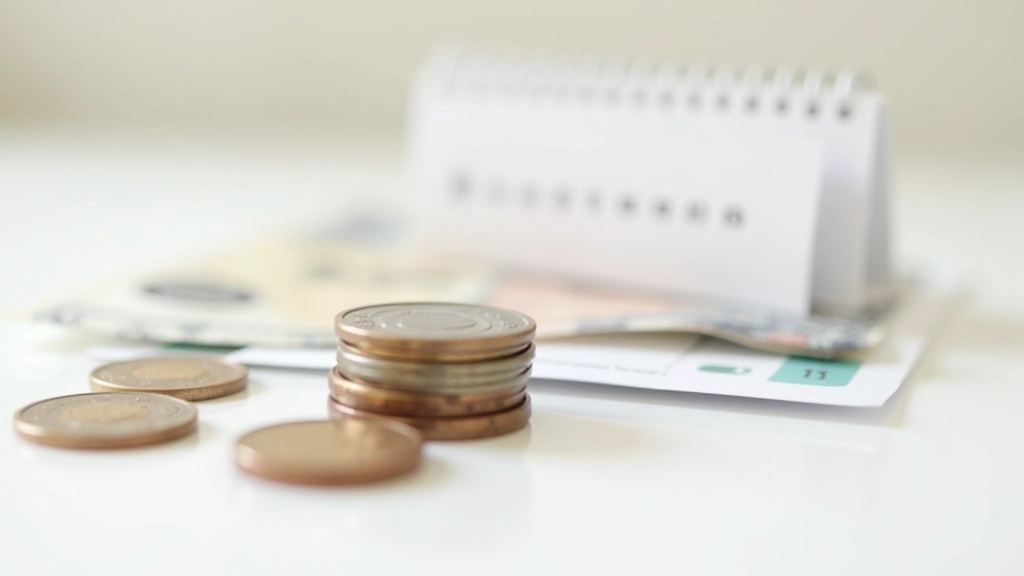
Financial advisors talk about a three to six-month emergency fund. That's not arbitrary. It's roughly how long most people can survive a job loss, major medical issue, or car breakdown without going into debt. Three months is realistic. Six months is the goal you work toward later.
Let's say you make $2,800 a month and your essential expenses—rent, utilities, food, insurance—total $2,000. You'd want about $6,000 saved (three months $2,000). That sounds enormous when you're living paycheck to paycheck. But here's the real thing: you don't build it in one month. You build it slowly, consistently, and you start right now.
Your three-month number is different. Calculate your actual essential expenses. Don't include discretionary spending. Rent, insurance, groceries, utilities, minimum debt payments. That's your number. Multiply by three. That's your target.
Quick calculation: Essential monthly expenses 3 = Your emergency fund target
Don't wait until you can afford to dump $500 into savings in one go. You'll be waiting forever. Instead, treat your emergency fund envelope like any other category in your budget. You give it money every payday, even if it's $25.
Here's what this looks like in practice. You make $2,800 a month (that's about $1,300 biweekly). Your categories might be:
That $100 a month to your emergency fund might feel small. But in five months, you've got $500. That covers a minor emergency. A dental issue. A car repair. Suddenly, you're not putting it on a credit card.
Once you hit $500, something shifts psychologically. You've actually built something. It's real. You feel it. Now you can increase your monthly contribution. Not drastically. Maybe bump it from $100 to $150 or $200.
Here's a realistic timeline: Start with $50–100 a month. Hit $500 in 5–10 months. Then increase to $150–200 a month. Hit $2,000 in another 8–10 months. You're looking at a year to get a solid emergency cushion. Not five years. One year.
The key is consistency. It doesn't matter if you put in $100 or $25 some months. You're putting in something. You're building the habit. You're making it real.

This matters more than people think. Your emergency fund can't live in the same account as your spending money. You'll tap it for things that aren't emergencies. A concert. A trip. Something that feels urgent but isn't.
If you're using the physical envelope system, that's easy—the money sits in an actual envelope at home or a safe place. It's not in your wallet. It's not accessible on a whim.
If you're using a digital system, open a separate savings account at your bank. A different institution if possible. One without a debit card. You can transfer money in, but there's friction. That friction is your protection. It makes you think before you access it.
This is critical. Your emergency fund isn't for wants. It's for genuine emergencies. Here's what actually counts:
Here's what doesn't count: A new phone because yours is outdated. A vacation because you're stressed. Clothes you want. Gifts. Holidays. Those things are important, but they get their own envelopes and their own budget categories. Your emergency fund stays sacred.
At some point, you'll need your emergency fund. That's why you built it. When you use it, you don't panic. You don't feel guilty. You access the money that you deliberately saved for this exact situation.
After you use it, here's what you do: You rebuild it. You increase your emergency fund allocation slightly if you can. Maybe you go from $150 to $200 a month for a while. You get back to your three-month target. It might take three to six months. That's fine. You're not starting from zero again.
This is actually why building the habit matters so much. Once you've proven to yourself that you can fund an emergency fund consistently, rebuilding it isn't scary. You know you can do it.
Building an emergency fund isn't about reaching some magic number. It's about shifting from "if an emergency happens, I'm in trouble" to "when an emergency happens, I've got this." That's the real win.
Start now. Start small. Put $25 or $50 into an envelope this week. Make it real. In a year, you'll have something that changes how you feel about money. You won't feel panicked. You'll feel secure.
Disclaimer: This article is educational only and is not financial or investment advice. Your circumstances, income, and expenses are unique. Outcomes aren't guaranteed and will vary based on your personal situation. For personalized financial guidance, consult a qualified financial advisor.
Deepen your envelope system knowledge
Step-by-step walkthrough for creating categories, deciding on amounts, and making your first envelope system actually work.
Read Article
Comparing cash, spreadsheets, and budgeting apps. Real pros and cons for each method so you can pick what fits your life.
Read Article
How to review your spending without guilt. What patterns to look for and when to adjust your envelope amounts.
Read Article