

Digital vs Physical Envelopes — What Actually Works
Comparing cash, spreadsheets, and budgeting apps. Real pros and cons for each method, and how to choose what fits your life.
Read GuideYour step-by-step guide to creating categories, deciding on amounts, and making the system work for your actual life.


By CashFlow Envelope Editorial Team
Written by the CashFlow Envelope Editorial Team, focused on practical, honest guidance for managing money with tangible tools.
The envelope system isn't complicated. But it does require you to make some real decisions about your money upfront. Most people mess this up because they either overthink it or skip the thinking altogether. We're going to walk through the exact steps we've seen work for people in Ottawa — from students living on part-time wages to professionals juggling rent, savings, and actual social life.
First thing: write down your actual take-home pay. Not gross salary — what actually hits your account. This is crucial. You can't build envelopes around numbers that don't exist.
Then list everything you spend money on in a typical month. Rent, groceries, transit, phone bill, coffee, that gym membership you maybe use. Don't filter or judge. Just write it down. This takes maybe 30 minutes if you've got bank statements handy, longer if you're going from memory.
You'll probably find you're spending money on things you forgot about. That's actually the point. Most people discover they're bleeding cash on subscriptions or small purchases that add up.


Here's where people get stuck. They try to create perfect categories. Don't. Your categories should match how you actually live, not how you think you should live.
Start with the obvious ones: rent or mortgage, utilities, groceries, transportation. Then add the categories where you actually spend discretionary money. For most people in their twenties and thirties, that's eating out, entertainment, or personal care.
One envelope people often skip? Miscellaneous or "life happens." This is your safety net. Unexpected car repair, a friend's birthday gift, replacing something that broke. Without this envelope, you'll either abandon the system or raid your savings. Typical amount: 5-10% of your monthly income.
Keep it simple. Four to eight categories works for most people. More than that and you're spending mental energy managing the system instead of managing your money.
Pro tip: One category people forget is "future goals." Whether it's a vacation, new laptop, or moving out — having an envelope specifically for what you're saving toward keeps you motivated. Even $20 a month adds up.
Now comes the actual math. Take your monthly expenses and assign them to envelopes. Your rent goes in the rent envelope. Your estimated grocery spending goes in the grocery envelope. And so on.
Be realistic here. If you spend $250 a month on groceries, don't put $150 in that envelope hoping you'll change. You won't. You'll just get frustrated and quit.
For variable expenses like eating out or entertainment, look at the last 3 months and average them. That's your starting point. You can adjust down the road once you see where you're actually spending.
Your total across all envelopes should equal your take-home pay. If it's more, you've got a problem you need to solve now, not later. If it's less, you've got breathing room — that goes into savings or your "future goals" envelope.
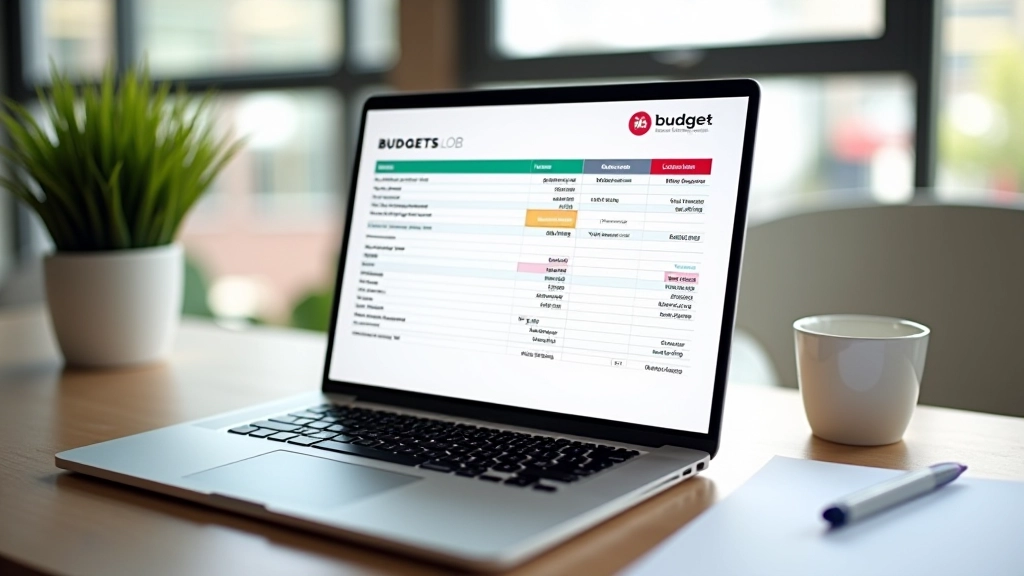
This matters more than people think. Physical cash envelopes force you to see your money leaving. You can't spend what's not there. That's powerful, especially if you're learning to control impulse purchases.
Digital systems (spreadsheets, apps, your bank's sub-accounts) are convenient and you don't have to carry cash. But they're easier to cheat on because you don't see the physical reality of your money.
Honestly? Start with physical cash envelopes for at least one month. You'll learn faster. After that, if digital works better for your life, switch. The system works both ways. What matters is that you actually stick with it.
Don't wait for January 1st or the start of a month. Do this now. Withdraw your first month's allocation from your account. Fill your envelopes. Put them somewhere visible — on your desk, kitchen counter, wherever you'll actually see them.
For the first week, you're just getting used to the system. You'll probably mess up. You'll forget to check an envelope before spending, or you'll need to adjust something. That's normal. Write down what feels off and fix it after one full month.
The envelope system isn't perfect. But it works because it's simple, it's visual, and it forces you to make money decisions consciously instead of by habit. And that's really what it's about — taking control of your actual spending, not some imaginary budget you think you should have.
This article is educational only and is not financial or investment advice. Outcomes are not guaranteed and may vary. Personal circumstances differ — adjust the envelope system to fit your specific situation.
Related guides that build on what you've learned
Comparing cash, spreadsheets, and budgeting apps. Real pros and cons for each method, and how to choose what fits your life.
Read Guide
How to review your spending without guilt. What patterns to look for and when to adjust your envelope amounts.
Read Guide
Real numbers for creating a savings envelope that grows. How to start small and build without feeling broke.
Read Guide