
Setting Up Your First Envelopes
Step-by-step walkthrough for creating categories, deciding on amounts, and making your first budget.
Read MoreComparing cash, spreadsheets, and budgeting apps. Real pros and cons for each method based on how people actually use them.
Author
Written by the CashFlow Envelope Editorial Team, focused on practical, honest guidance for managing money with tangible tools.
Here's the thing about the envelope system — it works. But the question isn't whether it works. It's which version works for you . Some people thrive with actual cash in real envelopes. Others find that chaotic. Some swear by spreadsheets. Others find them soul-crushing. And then there's the apps — sleek, automated, easy to ignore.
The short answer: all three work. But they work differently, and they fail differently too. Let's break down what you're actually getting with each approach — not the marketing version, but how they actually perform when you're trying to pay rent, save for a trip, and not stress about money.
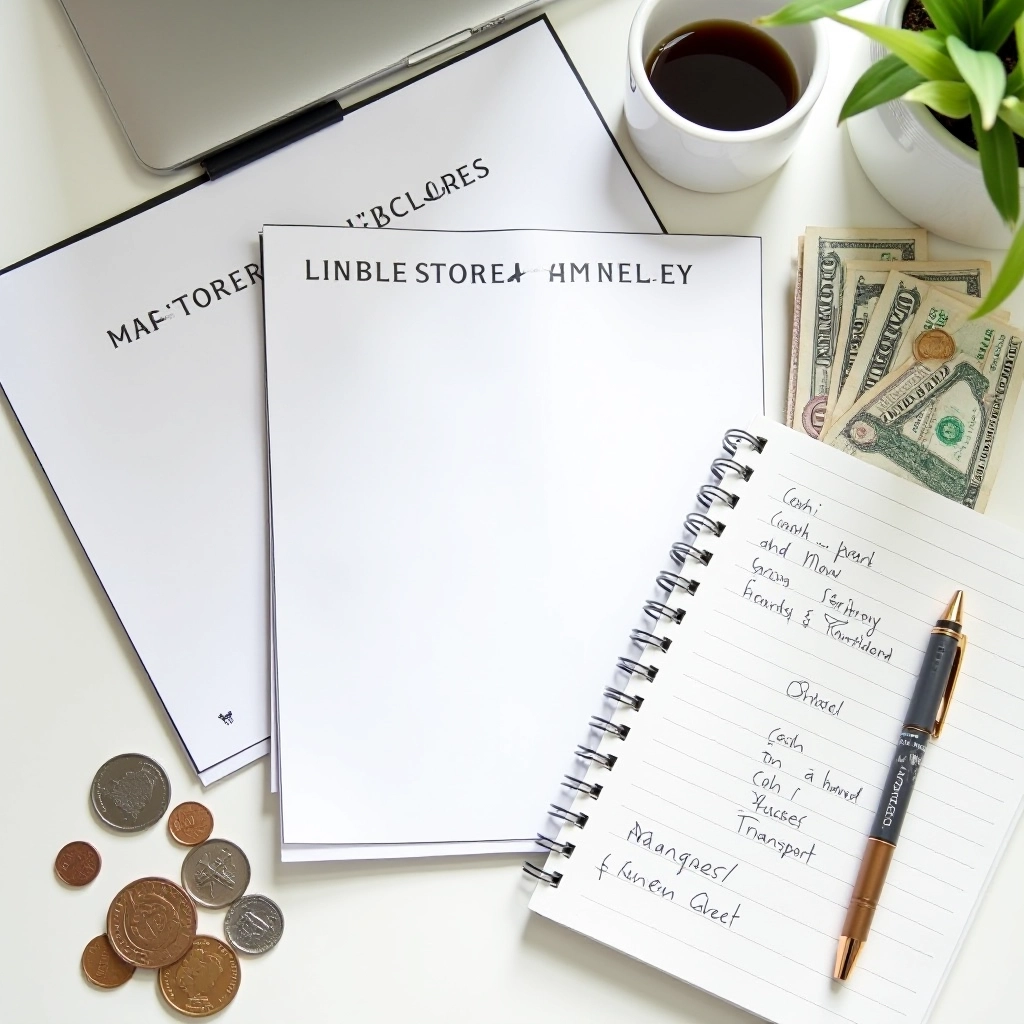
Physical envelopes mean actual money. You divide your cash into labeled envelopes for rent, groceries, entertainment, savings. When an envelope is empty, you're done spending in that category until next payday. It's tactile, immediate, and there's no scrolling required.
But here's where physical envelopes get messy: what happens when you need money for an emergency? You raid the savings envelope. What if you forgot your grocery envelope at home? You either skip shopping or break the system. And tracking expenses for tax purposes or analyzing spending patterns? You're writing it down manually or taking photos.


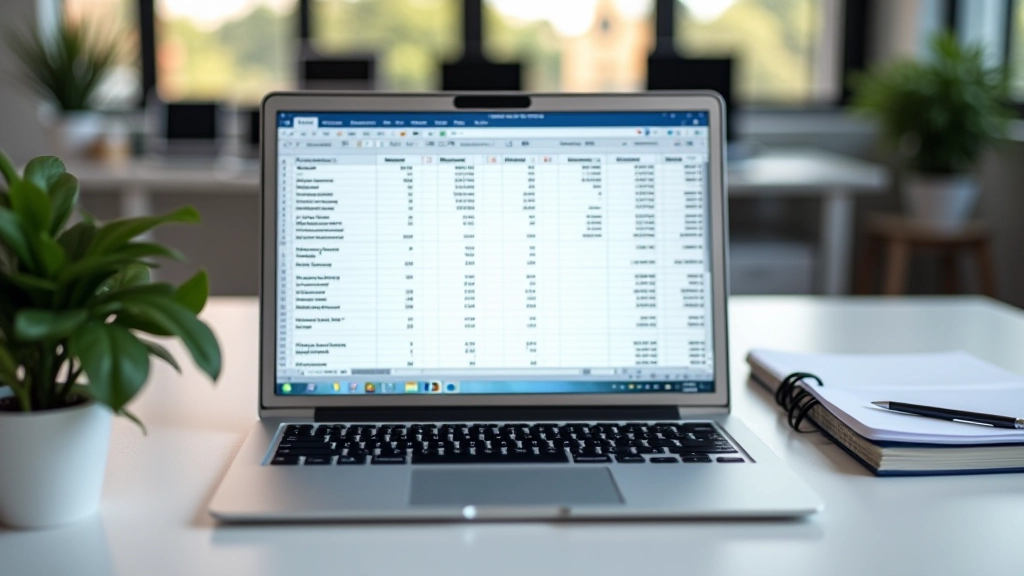
A spreadsheet gives you the envelope system's logic without the cash logistics. You create columns for each category, set spending limits, and manually enter transactions. You can see your entire budget at a glance. You can build formulas that track patterns, show remaining balances, calculate how much you've saved year-to-date.
Spreadsheets are powerful because they're flexible. You want to see a breakdown of groceries by store? Add a column. Want to compare this month to last month? Build a second sheet. The control is genuinely yours.
Apps like YNAB, EveryDollar, and others automate the spreadsheet approach. Link your bank account, set categories, and transactions populate automatically. You get alerts when you're near budget limits. You can see spending patterns instantly.
The appeal is obvious: zero manual data entry, everything updated in real-time, beautiful dashboards, spending analytics, synced across devices. You're not wrestling with spreadsheet formulas at 11 PM on a Sunday.
Fast setup, beautiful UI, works on your phone, automatic bank syncing, detailed analytics you didn't have to build yourself.
You stop opening the app after three weeks. Bank syncing misses transactions. You don't feel connected to your spending because it's all abstract numbers. Many apps charge monthly fees.
Here's what we've learned: the best method is the one you'll actually use consistently. Sounds obvious, right? But it matters more than any other factor.
Most people don't stick with pure physical, pure spreadsheet, or pure app. They mix them. You might use physical envelopes for cash spending (groceries, gas, entertainment) because you want that immediate feedback. But you track fixed bills and transfers in a spreadsheet because they're predictable and don't need real-time monitoring. And you use an app to check your overall balance on your phone.
Or you use an app but withdraw a fixed amount of cash weekly for discretionary spending — the best of both worlds. The app handles recurring bills automatically. The cash envelope prevents you from drifting on small purchases.
Here's what matters: pick a system, use it for 4-6 weeks without changing it, then evaluate. Does it feel sustainable? Are you actually following it? Can you stick with it long-term without willpower gymnastics? If the answer is yes — that's your system. If the answer is no — switch.
The envelope system works because it creates a visual boundary. Whether that boundary is physical cash, a spreadsheet column, or an app notification is less important than the fact that you're respecting it. All three approaches solve the same problem: they prevent spending more than you planned.
What fails isn't the method. What fails is picking something that doesn't match your actual life. If you hate spreadsheets, a spreadsheet won't save you. If you're never on your phone, an app won't help. If you live entirely on debit and credit cards, physical cash feels impractical.
Start where you are. Use what's accessible. Adjust as you learn what actually sticks. The best envelope system is the one that survives three months without you abandoning it.
This article is educational only and is not financial or investment advice. Outcomes are not guaranteed and may vary based on individual circumstances, habits, and commitment to the chosen method.
Step-by-step walkthrough for creating categories, deciding on amounts, and making your first budget.
Read More
How to review your spending without guilt. What patterns to look for and when to adjust your categories.
Read More
Real numbers for creating a savings envelope that grows. How to start small and stay consistent.
Read More